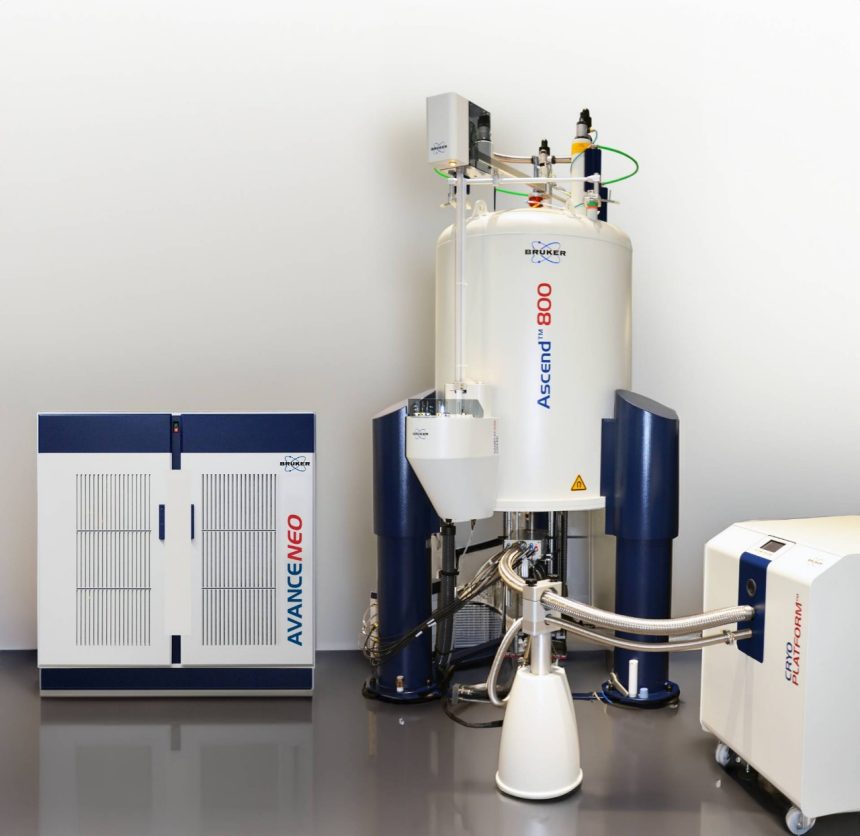
We offer a suite of advanced research services dedicated to the empirical characterization of intricate molecular systems. Leveraging a diverse array of cutting-edge experimental methodologies and instrumentation, we conduct in-depth investigations into the structural, dynamic, and interactive properties of molecules at the atomic and molecular scale.
Our team of multidisciplinary experts employs a range of high-resolution techniques, including NMR, spectroscopy, chromatography, microscopy, diffraction, and neutron scattering experiments, to obtain unparalleled insights into molecular architecture and behavior. Neutron scattering, in particular, provides a unique advantage in probing atomic arrangements and molecular motions, yielding critical information on both the macroscopic and microscopic scales of complex materials. By integrating these powerful tools, we generate precise, reproducible data that contributes to the advancement of diverse scientific fields, such as materials science, biochemistry, pharmacology, and environmental science. Our empirical research endeavors are poised to facilitate groundbreaking innovations, supporting the development of novel therapeutics, materials, and technologies, while furthering the boundaries of molecular science.
Current project showcase:
In the realm of battery research, our scientists employ a range of empirical characterization techniques to gain deeper insights into the materials and processes that underpin energy storage technologies. X-ray Photoelectron Spectroscopy (XPS) spectroscopy and microscopy techniques allow us to analyze the chemical composition and morphology of battery materials at the nanoscale, providing critical data on the formation of the solid electrolyte interphase (SEI) and its impact on battery performance and longevity. By understanding these intricate processes, our research aims to optimize the efficiency, stability, and energy density of batteries, paving the way for the development of next-generation energy storage systems.
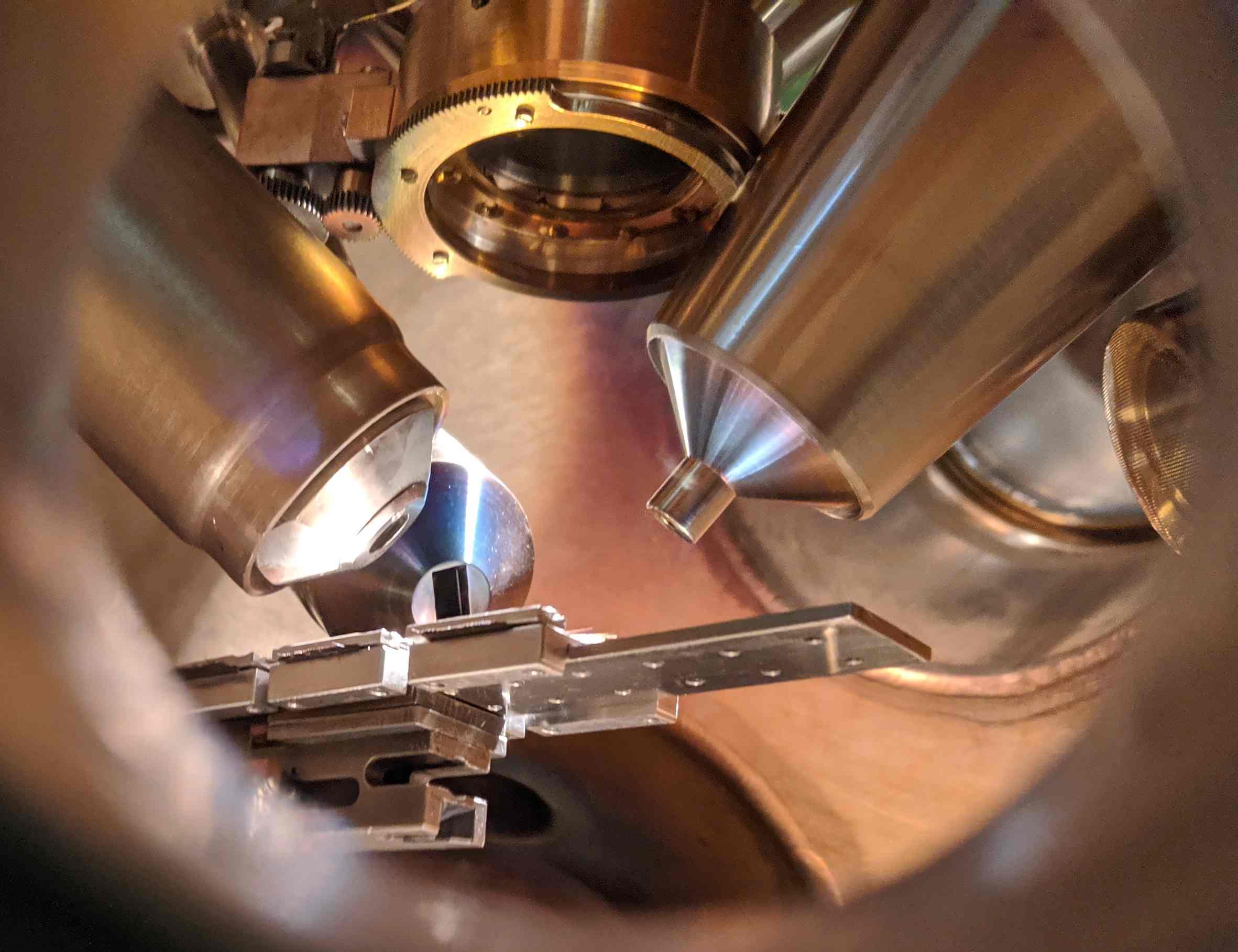
We employ a combination of positron annihilation spectroscopy, neutron source technology, and advanced techniques to generate high-precision empirical data on material crystallization and catalytic processes. This comprehensive approach allows us to understand the microstructural and catalytic properties of materials in detail—supporting innovations across a wide range of infrastructure applications.
Key Capabilities:
Positron Annihilation Spectroscopy: To detect atomic-scale defects, vacancies, and porosity in crystalline and amorphous materials. Characterizing microvoids and defects in glass composites. Analyzing crystallization efficiency and purity in carbon mineralization processes. Identifying active sites and defect-related catalysis for catalytic materials used in CO2 sequestration and energy applications.
Neutron Source Techniques: To probe internal structures and dynamics using neutron scattering and diffraction techniques. Detailed characterisation of crystal phases and lattice structures in minerals. Studying mechanical properties such as compressive strength and fracture toughness in composites. Evaluating porosity, diffusion pathways, and catalytic sites in glass and other structural materials. Investigating catalytic reaction mechanisms and diffusion-limited processes in material systems.
By combining spectroscopy, neutron-based analyses we deliver a comprehensive understanding of material behavior—from atomic-scale defects to bulk mechanical and catalytic properties. These insights inform the design of advanced materials for construction, energy storage, CO2 sequestration, and environmentally sustainable infrastructure. Our empirical approach bridges the gap between theoretical models and practical applications, ensuring that materials meet the stringent demands of modern infrastructure.
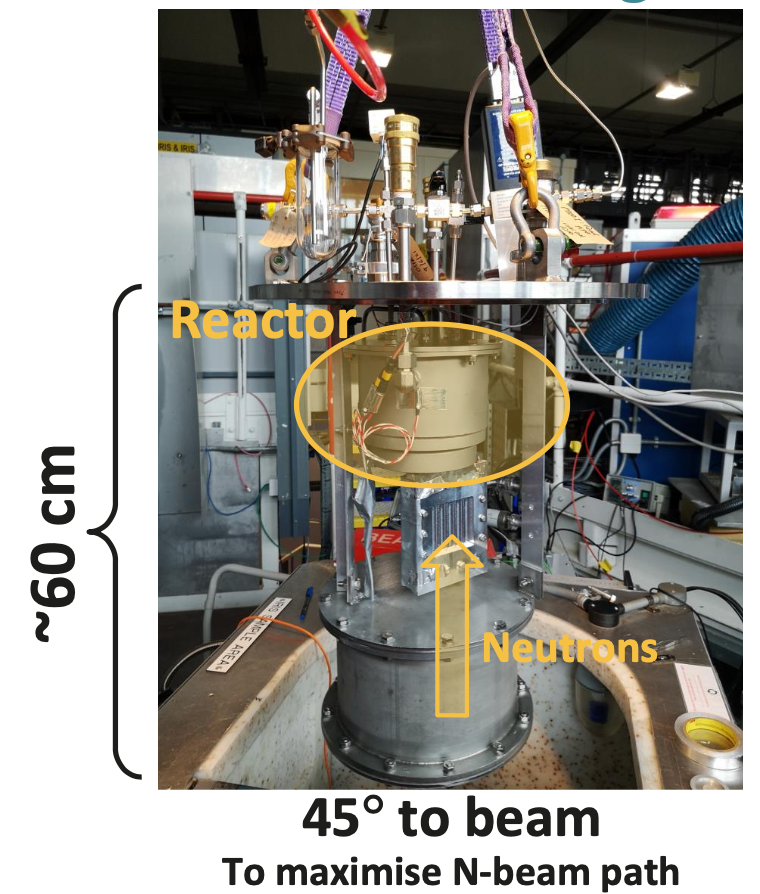
At GIOCOMMS we integrate empirical techniques such as NMR (nuclear magnetic resonance), mass spectroscopy, neutron sources, and other advanced methods to confirm simulation and theoretical models. This approach enables us to deepen our understanding of biochemical pathways—bridging the gap between theoretical predictions and real-world applications in agriculture and health.
Key Capabilities:
NMR Spectroscopy:
Purpose: To identify molecular structures, conformations, and dynamic behaviors with high precision.
Applications:
Validating theoretical models of biochemical pathways by analyzing metabolites and reaction intermediates.
Uncovering the mechanisms of action for vitamins, antioxidants, and therapeutic compounds.
Mass Spectroscopy and Other Spectroscopic Techniques:
Purpose: To determine molecular composition, reaction kinetics, and energy states.
Applications:
Confirming quantum chemical calculations for biochemical interactions.
Analyzing reaction pathways in metabolic networks and de novo drug design.
Neutron Source Technology and Techniques:
Purpose: To probe internal structures and dynamics of biological molecules and complexes.
Applications:
Detailed characterization of protein structures, hydration layers, and molecular conformations in biochemical pathways.
Investigating diffusion mechanisms and binding interactions relevant to health and agricultural applications.
Integration with Simulations:
Combining empirical data with molecular mechanics, molecular dynamics, and AI-driven simulations to enhance the accuracy and predictive power of models.
Our integrated approach ensures that both theoretical models and simulations are grounded in empirical evidence—providing actionable insights for therapeutics discovery, metabolic engineering, and nutritional science.